International Baccalaureate
  • IB at Tucker
  • About the Program
  • CAS
  • Extended Essay
  • Contact

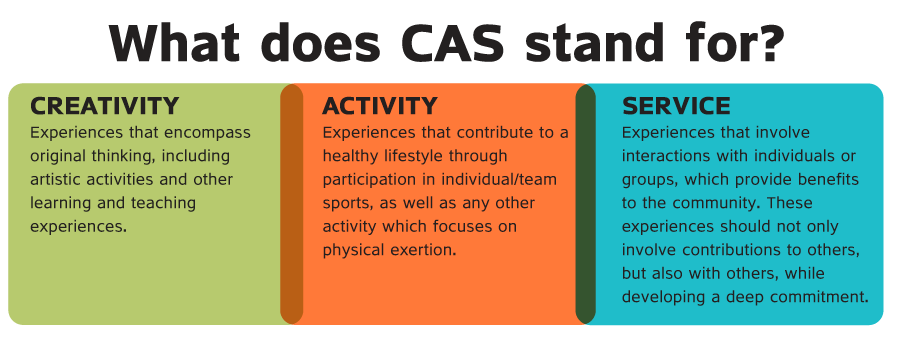
CREATIVITY, ACTIVITY, SERVICE
CAS is a core requirement of the Diploma Programme experience. The Diploma Programme is a holistic curriculum, and the students' CAS experiences emphasize the importance of life beyond academics. The IB goal of "educating the whole person and fostering a more compassionate and active citizenry" is achieved as the students explore rich and diverse ways to meet the learning outcomes of CAS.

cas_guide.pdf
File Size: 2834 kb
File Type: pdf
Download File

Picture
The Responsibility of the CAS Student 
CAS students are expected to:
  • Approach CAS with a proactive attitude
  • Develop a clear understanding of CAS expectations and the purpose of CAS
  • Explore personal values, attitudes and attributes with reference to the IB learner profile and the IB mission statement
  • Determine personal goals
  • Discuss plans for CAS experiences with the CAS coordinator and/or CAS adviser
  • Understand and apply the CAS stages where appropriate
  • Take part in a variety of experiences, some of which are self-initiated, and at least one CAS project
  • Become more aware of personal interests, skills and talents and observe how these evolve throughout the CAS programme
  • Maintain a CAS portfolio and keep records of CAS experiences including evidence of achievement of the seven CAS learning outcomes
  • Understand the reflection process and identify suitable opportunities to reflect on CAS experiences
  • Demonstrate accomplishment within their CAS programme
  • Communicate with the CAS coordinator/adviser and/or CAS supervisor in formal and informal meetings
  • Ensure a suitable balance between creativity, activity and service in their CAS programme
  • Behave appropriately and ethically in their choices and behaviours.
(Creativity, activity, service guide, p. 13)​

Picture
Understanding the CAS learning outcomes

The learning outcomes
Learning outcome 1
Identify own strengths and develop areas for growth.

Learning outcome 2
Demonstrate that challenges have been undertaken, developing new skills in the process.

Learning outcome 3
Demonstrate how to initiate and plan a CAS experience.

Learning outcome 4
Show commitment to and perseverance in CAS experiences.

Learning outcome 5
Demonstrate the skills and recognize the benefits of working collaboratively.

Learning outcome 6
Demonstrate engagement with issues of global significance.

Learning outcome 7
Recognize and consider the ethics of choices and actions.


Requirements: The focus of CAS is on the learning outcomes listed above. These outcomes help to emphasize that it is the quality of a CAS activity (its contribution to the student’s development) that is of most importance. The guideline for the minimum amount of CAS activity is approximately three to four hours per week, carried out on a continual basis over an 18-month period, including July and August between Year 1 and 2, with a reasonable balance between creativity, action and service.
All CAS experiences, including completed reflections, must be updated for each month by the last date of each month.

CREATIVITY
These are just a few examples of what you can do for creativity:


  • write a script for a play
  • participate in a community based theater group
  • design or participate in awareness raising performances for Non Profit Organizations
  • Form a performance group.
  • Run a children’s theatre group in the local community.
  • Organize an improvisation theatre troupe.
  • Learn how to perform magic and put on a magic show.
  • Join a choir or participate in a musical.
  • Play a musical instrument in a band or orchestra.
  • Learn to play a musical instrument or take vocal lessons.
  • Form a music group.
  • Perform for clients in aged-care homes.
  • Conduct a choir or a band.
  • Host a musical event at school.
  • Produce personal artworks.
  • Paint a mural for the walls of a local primary school or childcare centre.
  • Design posters for school advertising particular events.
  • Curate the school art gallery.
  • Organize or participate in craft activities.
  • Do photo shoots for NGOs or for senior citizens.
  • Produce the school yearbook (digital or hard copy).
  • Enter a local art or photography competition.
  • Teach art for early childhood or primary school.
  • Join a ballet or jazz class.
  • Choreograph a school production.
  • Run a school-based dance class.
  • Perform as a dancer in a school production.
  • Participate in annual school performers’ showcase.
  • Teach a junior dance class.
  • Organize a dance flash mob.
  • Participate in design projects to improve the local community.
  • Oversee a project for school.
  • Participate in council competitions.
  • Design and create furniture.
  • Assist an NGO with designing a website or provide content for its website.
  • Help a local hospital or clinic with a redesign.
  • Create an awareness-raising video for an NGO.
  • Create promotional footage related to a specific cause.
  • Make a documentary or a film.
  • Join the school publicity/media group.
  • Create a video archive for a local historical society.
  • Plan a film series for a senior centre.
  • Organize a film event for a cause to raise awareness and funds.
  • Organize a recycled clothing or clothes swap group to benefit a charity.
  • Participate in a group that designs clothes from sustainable materials.
  • Organize a school-based fashion show.
  • Run a knitting group and create items of clothing for a cause.
  • Learn how to be a salesperson at a clothing charity.
  • Start a sewing collaborative to make outfits for children in need.
  • Design reusable shopping bags with fashion flair.
  • Design and produce children’s toys.
  • Design information booklets or pamphlets for a specific NGO.
  • Design storyboards for a specific purpose.
  • Create logos and designs for T-shirts with environmental messages.
  • Assist an NGO with designing a website or provide content for its website.
  • Redesign an organization’s brochures, business cards and logo.
  • Attend a course in journalism/poetry writing.
  • Edit a school newspaper or bulletin or do the same for a senior centre.
  • Create children’s books for schools in need of these resources.
  • Organize a creative writing workshop.
  • Write a novella or a novel.
  • Start a poetry project that places poetry anonymously around school or the community.
  • Cook for a locally based international festival.
  • Organize a World Teachers Day breakfast at school.
  • Create a recipe book.
  • Run cooking classes.
  • Make a “how to cook” video series.
  • Document the results of cooking a new, challenging recipe once a week.
  • Produce items for a school fair.
  • Support a group that raises money for small business loans for undeveloped countries.
  • Run workshops for NGOs to give them ideas for creative awareness-raising or more efficient business practices.
  • Run business-type events to train students in running a business.
  • Help a local start-up develop a business plan.
  • Design digital books.
  • Design and maintain a website for an NGO.
  • Join a mathematics group and participate in school competitions.
  • Run a problem-solving group at school.
  • Tutor “at risk” students in mathematics.
  • Design mathematical/logic puzzles for junior students.
  • Coach a junior sports team.
  • Design a training schedule for a sports team.
  • Incorporate skills from other sports into training, for example, rugby circuits into netball training.
  • Design a recycling project for the school.
  • Investigate the use of energy in the school and provide a proposal for more efficient energy usage.
  • Participate in designing a community garden.
  • Create a school-based enviro-garden.
  • Oversee a school landscaping project.
  • Investigate ways to limit water consumption at school.


Picture
Picture
Picture
Picture
Picture
Picture
Picture
Picture

ACTIVITY
These are just a few examples of what you can do for activity:


General Sports:
Football (soccer) Basketball Athletics Gymnastics Swimming Tennis Volleyball Badminton Table tennis Darts Bowling Curling Hockey Skiing Martial arts Weightlifting Boxing Diving Cycling Race-walking Tumbling Acrobatics Wrestling Jai-alai Handball Netball Racquetball Squash Polo, water polo Frisbee, ultimate Frisbee Kick boxing Fencing

Dance: 
Ballet Jazz Modern Street dance Ballroom Salsa, Latin Dance-a-thon participation Twirling Cheerleading

Gardening and Nature: 
Farming Rock climbing, mountaineering Planting trees Digging, irrigation and drainage Hiking, trekking Survival training

Animals:
Equestrian competitions, horse and stable care and maintenance, riding and jumping lessons Farm animal handling, care and shows, competitions Fishing sports Dog shows, competitions, training and care Animal husbandry Birding

Extreme sports:
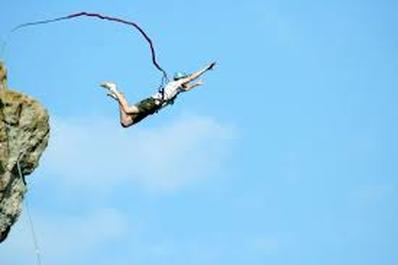
Skydiving Rappelling Bungee jumping Base jumping Para-gliding

Personal fitness:
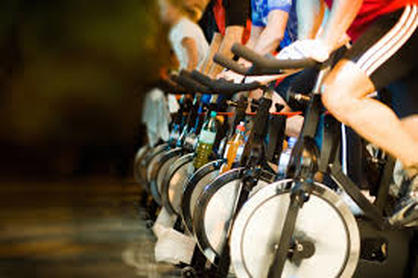
Running Weight training, body building Cardio workout Spinning Punching bag workout Jumping rope Trampoline Yoga

Music:
Marching band Drumming Parade

Skating:
Ice skating Roller-skating, roller-derby, rollerblading Skateboarding Long boarding

Motor sports:
Dirt biking, motocross Pit-stop crew Auto mechanics Motorcycle touring Rally driving, navigating

Aviation:
Piloting, flying Gliding Ballooning

Water sports/Boating:
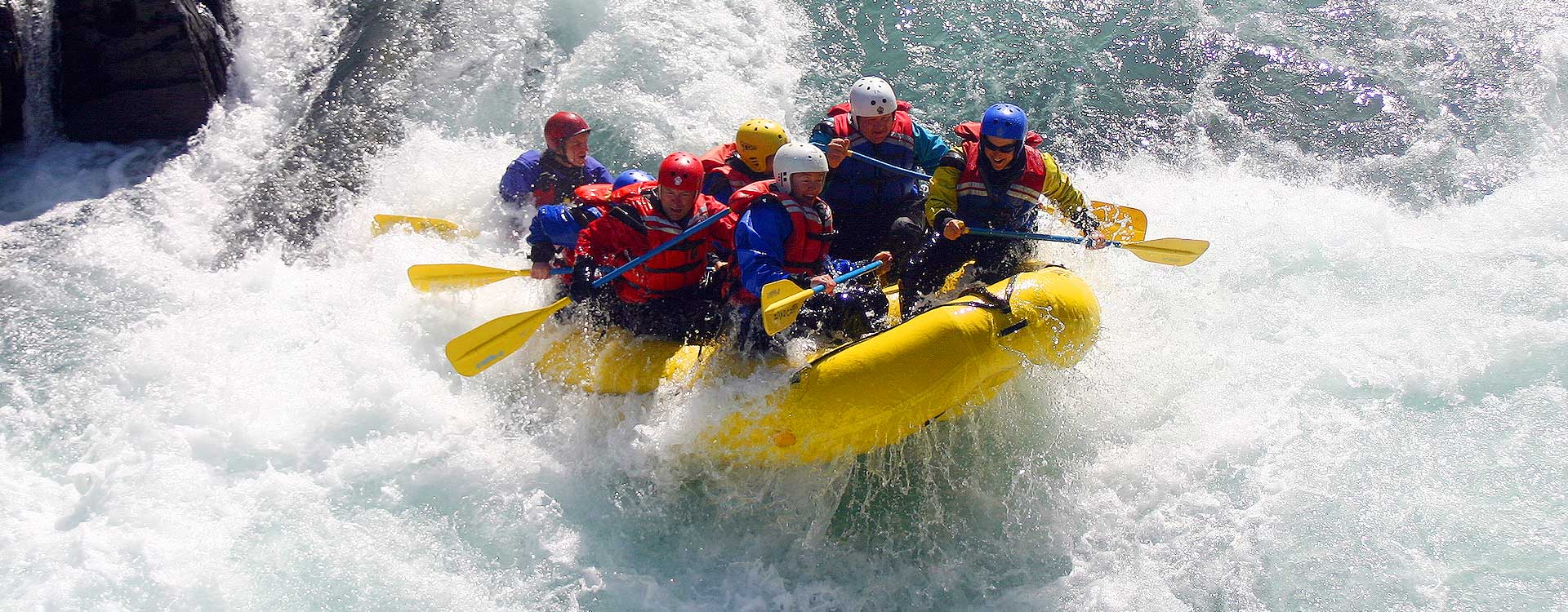
Waterskiing Parasailing, kite-sailing Sailing Wakeboarding Surfing Kayaking, canoeing Rowing Scuba and snorkelling Free-diving Rafting White water rafting

Picture
Picture
Picture
Picture
Picture

SERVICE
These are just a few examples of what you can do for service:

INDIRECT SERVICE
  • Assemble a photo exhibit about poverty for a gallery
  • Prepare meals in a soup kitchen
  • Take part in a walkathon to raise money for different humanitarian causes
  • Prepare activity kits for children for an emergency shelter
  • Write brochures for organizations
  • Build an organization’s website or provide content for an organization’s website
  • Assist with the creation of a museum exhibit
  • Make exercise videos to give to homeless shelters
  • Create a newsletter for a retirement community
  • Record audio books for people who are visually impaired
  • Prepare signage for a local wetland
  • Grow seedlings for distribution
  • Initiate a school compost to reduce food waste in landfills
  • Create a website with information about flora and fauna for a local park
  • Make zoo toys for animals
  • Collect needed supplies for a wildlife rescue centre
  • Bake dog biscuits for an animal shelter
  • Make colouring books with protection tips on local endangered animals for elementary schools and tourists
ADVOCACY SERVICE
  • Lead a town hall meeting on solar energy
  • Organize a letter-writing campaign for a cause
  • Host a speaker and film series to raise awareness for the community
  • Create comic strips or comic books to teach about emergency safety and readiness
  • Plan a conference to raise awareness about education equity
  • Provide reusable water bottles to replace single-use water bottles
  • Create public service announcements on energy reduction in homes
  • Organize a flash mob to teach about recycling
  • Promote a “just use less” campaign to reduce quantities of what is put in trash and recycling bins
  • Make beach signs to protect local waterways from rubbish
  • Advocate for animals at risk at an organized public event
  • Create posters, videos and public service announcements to promote animal adoption for a shelter
DIRECT SERVICE
  • Coach children in sports
  • Deliver meals to people living with a medical condition
  • Lead resume-writing workshops for people who are unemployed
  • Organize or assist at a blood drive
  • Play music with elders to have an exchange of skills and learn about each other’s music preferences and talents, and then perform as an ensemble for others
  • Distribute plants at a farmer’s market to promote home-grown container gardens
  • Serve food at a soup kitchen
  • Restore a stream
  • Prepare the soil and beds for an elementary school garden and plant with the children
  • Grow seedlings for distribution
  • Install raised-bed gardens for a senior centre
  • Establish a recycling programme at city hall
  • Help at an animal shelter with data entry and dog walking
  • Assist with a pet adoption outreach program at community events
  • Lead a workshop on pet care
  • Set up a turtle sanctuary in partnership with a community organization
  • Make a storm-water garden


RESEARCH SERVICE
  • Assist with a city-wide needs assessment by running focus groups
  • Conduct hands-on research about how interaction improves quality of life for residents at an elderly care facility
  • Prepare a public service outreach process to identify local veterans willing to be interviewed, and then conduct the interviews for an historical society
  • Learn about the history of people buried in a cemetery from the 1800s to support a local museum
  • Observe play habits of children in an orphanage or refugee centre to identify what skills are developed or need support
  • Use photography to collect images that inform about the first flush from a storm drain by your school
  • Interview administrators at local landfills to learn about community habits that support collections of trash to recycle and food waste for composting
  • Analyse items collected in a community or beach clean-up to develop a campaign (advocacy service) that prevents the items from being littered again
  • Conduct a behaviour study of zoo animals or shelter animals
  • Monitor numbers of stray animals, combine findings with interviews and surveys to determine opinions of advocates, opponents and the general public, and offer recommendations to improve local policies
  • Assist with tracking and monitoring of butterfly migratory paths.

REFLECTIONS

Reflection develops and strengthens lifelong skills for learning and is an essential part of the overall CAS programme. Understanding the purpose and practice of reflection and modelling diverse ways to reflect prepares the self-directed learner to adopt reflection as a choice.
Through reflection, students examine relevance of experience, apply thoughts and ideas garnered to different situations, consider actions of others, remind themselves of what was learned and how it occurred, and consider deliberate ways to improve individual and collective actions.
Because CAS is intended to be an enjoyable experience for students, so too is reflection meant to be enjoyable. Consider that reflection is not measured by length or quantity and that the aim is for reflection to be inspired rather than required. Throughout CAS, there are many occasions when students can discover those meaningful moments of inspiration deserving reflection.

The ultimate purpose of reflecting in CAS is not to complete “a reflection”, it is to become reflective by choice and as a lifelong process.

Reflection builds skills and abilities as students:
  • are observant
  • identify similarities and differences
  • learn from mistakes
  • distinguish between cognitive and affective
  • discern what has value
  • maintain integrity in thought and action
  • extend ideas
  • effectively solve problems
  • clarify misunderstandings
  • value the reflection process
  • transfer ideas to new settings and situations
  • incorporate change as a constructive process to learning and to life.

Ways to Reflect:

Kinesthetic reflection can be accomplished through:
  • dance
  • theatre
  • mime
  • role play.
Visual reflection can be accomplished through:
  • photography
  • painting
  • animation
  • sculpting/ceramics/mosaic
  • prints
  • textile and needlework.
Auditory reflection can be accomplished through:
  • lyrics
  • rap
  • jingle
  • melodies.


Picture
Picture
Picture

CAS PROJECT
Requirements:
1. You must complete one CAS project as an IB student
2. Must have more than one CAS strand
3. Must be collaborative
4. Must be sustained for at least one month

Powered by Create your own unique website with customizable templates.
  • IB at Tucker
  • About the Program
  • CAS
  • Extended Essay
  • Contact